DISCLAIMER
FOR RESEARCH USE ONLY. The content provided in this article is for educational and informational purposes only and is based on published scientific literature. The compounds and delivery formats discussed are not approved by the FDA for human or veterinary use. They are strictly intended for laboratory research and in vitro experimentation. Pure Health Peptides does not endorse or encourage the use of these products outside of a controlled research setting.
Research Snapshot
- The Blood-Brain Barrier Problem: The central challenge in neurocognitive research is getting compounds past the blood-brain barrier (BBB), a highly selective membrane that blocks most molecules from entering the brain.
- Nasal Spray Advantage: Intranasal delivery bypasses the BBB by utilizing olfactory and trigeminal nerve pathways, providing relatively direct access to CNS tissue. This is the preferred format for neuropeptides like Semax and Selank.
- Capsule Utility: Oral formats remain viable for lipophilic small molecules like Dihexa that can cross the BBB unaided after systemic absorption, and for compounds targeting the gut-brain axis like BPC-157.
- Emerging Topicals: Topical and transdermal peptide delivery is an active area of research, particularly for localized applications and sustained-release models.
The Blood-Brain Barrier: Why Delivery Format Matters More in Neuro Research
In metabolic research, delivery format primarily affects bioavailability and dosing precision. In neurocognitive research, the stakes are fundamentally higher. The brain is protected by the blood-brain barrier (BBB)—a dense layer of endothelial cells joined by tight junctions that prevents most circulating molecules from entering neural tissue.
The BBB is highly selective. It permits small lipophilic molecules (like oxygen and certain drugs) to pass while blocking large, hydrophilic, or charged molecules. Most peptides fall into the “blocked” category due to their size and polarity.
This means that a peptide can have extraordinary neurotrophic potential in a cell culture dish but be completely ineffective in a living organism if it cannot physically reach the brain. Delivery format is not a convenience choice in neuro research—it is a fundamental determinant of whether the experiment can work at all.
Intranasal Delivery: The Direct Route to the CNS
Nasal spray formulations have become the gold standard for delivering neuropeptides to the brain in research settings. The mechanism relies on two anatomical pathways:
The Olfactory Pathway:
The olfactory epithelium sits at the top of the nasal cavity, directly beneath the olfactory bulb of the brain. Molecules deposited on this tissue can be transported along olfactory nerve axons into the CNS within minutes. This pathway delivers compounds directly to the olfactory bulb, hippocampus, and cortex.
The Trigeminal Pathway:
The trigeminal nerve innervates the nasal cavity extensively. Compounds absorbed through this nerve travel to the brainstem and from there distribute throughout the CNS. This pathway provides broader brain distribution than the olfactory route alone.
Together, these pathways allow neuropeptides like Semax and Selank to reach therapeutically relevant brain concentrations without ever entering systemic circulation in significant amounts. This has three major advantages for researchers:
- BBB Bypass: No need for the peptide to cross the BBB from the bloodstream.
- Reduced Systemic Exposure: Less compound circulating in the body means fewer peripheral side effects to confound CNS-specific data.
- Rapid Onset: Olfactory transport can deliver detectable concentrations to the hippocampus within 5–15 minutes in rodent models.
This is why the published literature on Semax and Selank overwhelmingly utilizes intranasal administration. The compounds were literally designed with this delivery route in mind.
Oral Capsules in Neurocognitive Research
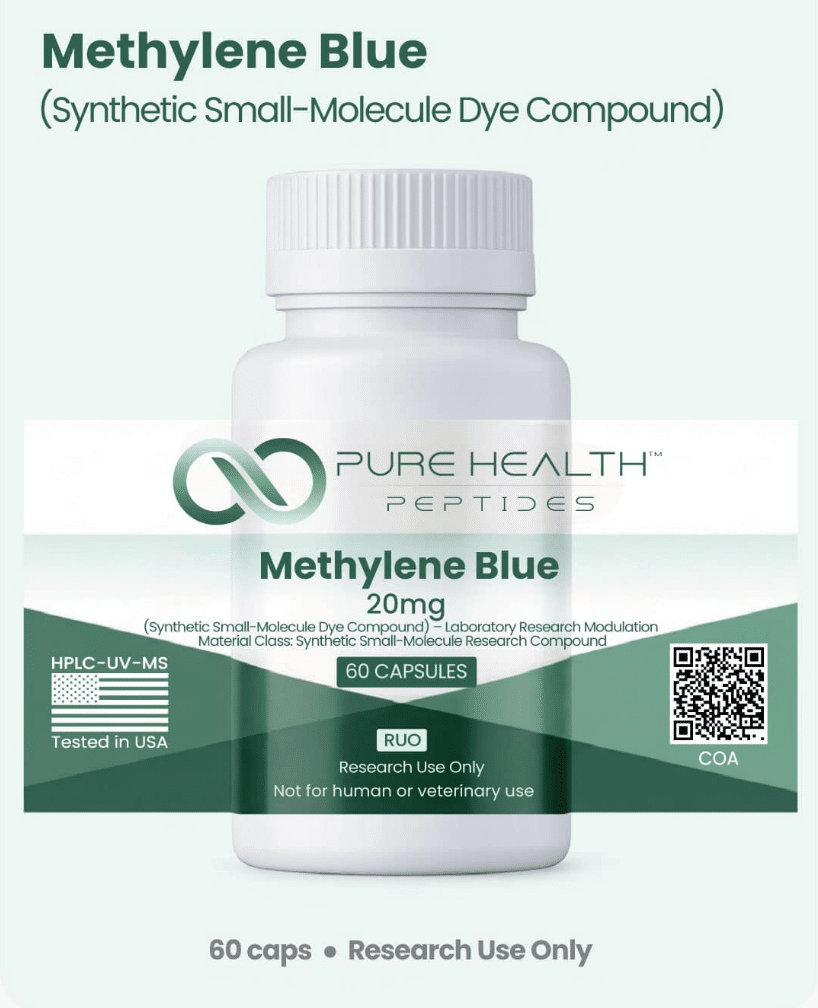
While nasal sprays dominate neuropeptide delivery, oral capsules remain relevant for a specific subset of CNS-targeted compounds.
Lipophilic Small Molecules:
Compounds like Dihexa incorporate structural modifications (such as the adamantane group on P-21) that make them sufficiently lipophilic to cross the BBB after oral absorption. For these compounds, capsules offer the same advantages discussed in previous carrier articles: ease of chronic dosing, reduced subject stress, and shelf stability.
Gut-Brain Axis Research:
An increasingly important area of neuroscience involves the gut-brain axis—the bidirectional communication network between the enteric nervous system and the CNS. Oral administration of peptides like BPC-157 allows researchers to study how gastric signaling influences brain function. In these models, oral delivery is not a compromise—it is the entire point of the experiment.
Limitations for Larger Peptides:
For traditional neuropeptides (Semax, Selank, and similar compounds), oral capsules are generally not viable. These peptides are hydrophilic chains that are rapidly degraded by gastric enzymes and cannot cross the BBB from systemic circulation in meaningful concentrations. Encapsulation does not solve either problem.
Topical and Transdermal Delivery: The Emerging Frontier
Topical peptide delivery represents the newest and least established format in neurocognitive research. However, it is attracting significant scientific interest for several reasons.
Localized Delivery:
For research involving peripheral nerve repair or dermal neuropeptide signaling, topical application allows direct contact between the compound and the target tissue. This avoids systemic distribution entirely.
Sustained Release:
Topical formulations (creams, gels, patches) can be engineered to release their payload slowly over hours or days. This is valuable for research protocols that require constant low-level exposure rather than pulsed dosing.
Current Limitations:
The primary challenge with topical peptide delivery is penetration. The skin is a formidable barrier, and most peptides cannot cross it without chemical enhancers, microneedles, or iontophoresis (electrical current). For CNS-targeted research specifically, topical delivery remains largely impractical because the compound must still reach the brain after crossing the skin—a double barrier problem.
Where Topicals Fit Today:
Topical peptide research is most advanced in dermatological and cosmetic contexts (e.g., Snap-8 for neuromuscular signaling in skin) and in localized wound healing models. As penetration enhancement technologies improve, the applicability of topicals to deeper tissue targets may expand.
Format Selection by Compound: A Neurocognitive Framework
| Compound | Preferred Format | Rationale |
| Semax | Nasal Spray | Hydrophilic peptide requiring BBB bypass via olfactory/trigeminal pathways |
| Selank | Nasal Spray | Same rationale as Semax; designed for intranasal CNS delivery |
| N-Acetyl Semax Amidate | Nasal Spray | Enhanced stability variant; same delivery logic with extended half-life |
| N-Acetyl Selank Amidate | Nasal Spray | Enhanced stability variant; same delivery logic with extended half-life |
| Dihexa | Capsule | Lipophilic small molecule with oral bioavailability and BBB penetration |
| P-21 | Injection (current) | Adamantane modification improves BBB crossing; most published data uses injection |
| BPC-157 | Capsule (for gut-brain) | Gastric stability allows oral delivery for gut-brain axis research |
| Snap-8 | Topical | Targets neuromuscular junctions in the skin; localized application |
Designing Multi-Format Neurocognitive Protocols
Advanced CNS research often requires multiple delivery formats within a single study. For example:
- Intranasal Semax (daily, to upregulate BDNF in the hippocampus).
- Oral Dihexa capsule (daily, to amplify HGF/c-Met signaling systemically).
- Subcutaneous P-21 (periodic, to stimulate hippocampal neurogenesis).
Each compound is matched to its optimal delivery route based on its chemistry and target tissue. The researcher is not choosing a format based on convenience—they are selecting the route that maximizes the probability of the compound reaching its intended site of action at a sufficient concentration.
This multi-format approach echoes the principles established in previous articles, where liquid and capsule formats were combined in metabolic protocols. The underlying logic is the same: match the delivery vehicle to the compound’s pharmacokinetic profile and the study’s specific endpoints.
Research Outlook for Neurocognitive Delivery Science
Delivery format research is evolving rapidly in the neuroscience space. Intranasal delivery has matured from an experimental curiosity to the standard approach for CNS-targeted neuropeptides. Oral delivery continues to serve lipophilic compounds and gut-brain research. Topical delivery, while still nascent for neurological applications, shows promise for peripheral nerve and dermatological models. As penetration enhancement technologies advance and new peptide modifications improve BBB crossing, the range of viable delivery options for neurocognitive research will continue to expand.
Frequently Asked Questions in Neurocognitive Delivery Research
Why can’t all neuropeptides be given orally?
Most neuropeptides are chains of amino acids that are broken down by digestive enzymes (pepsin, trypsin) in the stomach and small intestine. Even if fragments survive digestion, they are typically too large and too hydrophilic to cross the blood-brain barrier from systemic circulation. Intranasal delivery solves both problems simultaneously.
How do researchers verify that a compound has reached the brain?
Common methods include radiolabeling (attaching a detectable isotope to the compound and tracking its distribution via imaging), microdialysis (sampling interstitial fluid directly from brain tissue), and post-mortem tissue analysis measuring compound concentrations in specific brain regions.
Are nasal sprays effective in human-sized models?
The olfactory and trigeminal transport pathways exist in all mammals, but their efficiency varies with nasal cavity anatomy. Rodent models have proportionally larger olfactory epithelia relative to body size. Scaling intranasal delivery to larger species requires adjustments in formulation concentration, droplet size, and administration technique.
Can topical delivery reach the brain?
Currently, not effectively for most peptides. The skin and the BBB represent two sequential barriers. However, research into transdermal patches combined with penetration enhancers or microneedle arrays is exploring whether sustained peripheral delivery can achieve sufficient systemic levels to produce CNS effects for highly potent compounds.
References
- Lochhead, J. J. & Thorne, R. G. “Intranasal delivery of biologics to the central nervous system.” Advanced Drug Delivery Reviews, 2012.
- Dhuria, S. V., et al. “Intranasal delivery to the central nervous system: mechanisms and experimental considerations.” Journal of Pharmaceutical Sciences, 2010.
- Illum, L. “Nasal drug delivery—possibilities, problems, and solutions.” Journal of Controlled Release, 2003.
- Meredith, M. E., et al. “Intranasal delivery of proteins and peptides in the treatment of neurodegenerative diseases.” AAPS Journal, 2015.
- Prausnitz, M. R. & Langer, R. “Transdermal drug delivery.” Nature Biotechnology, 2008.