
Dihexa Research Peptide: Synaptic Plasticity and Neurotrophic Signaling
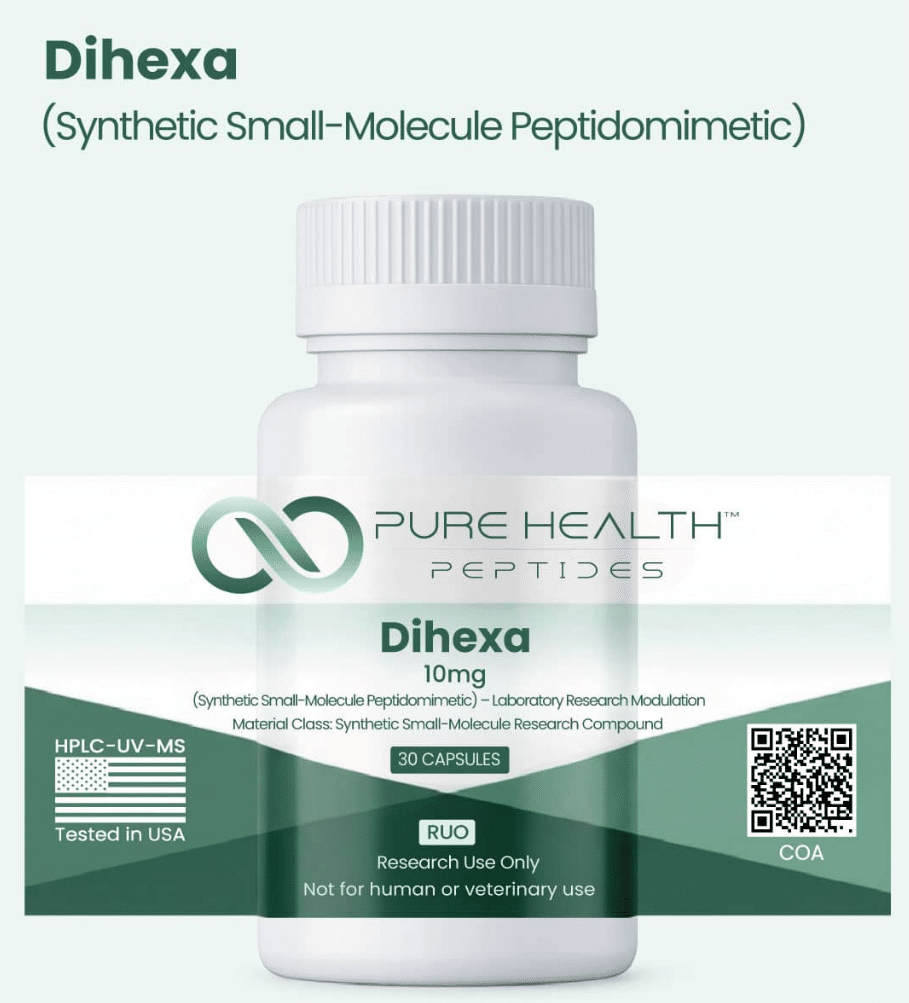
DISCLAIMER FOR RESEARCH USE ONLY. The content provided in this article is for educational and informational purposes only and is based on published scientific literature. The compounds discussed, including Dihexa, are not approved by the FDA for human or veterinary use. They are strictly intended for laboratory research and in vitro experimentation. Pure Health Peptides […]
N-Acetyl Selank Amidate Research Peptide and Neuroregulatory Pathways
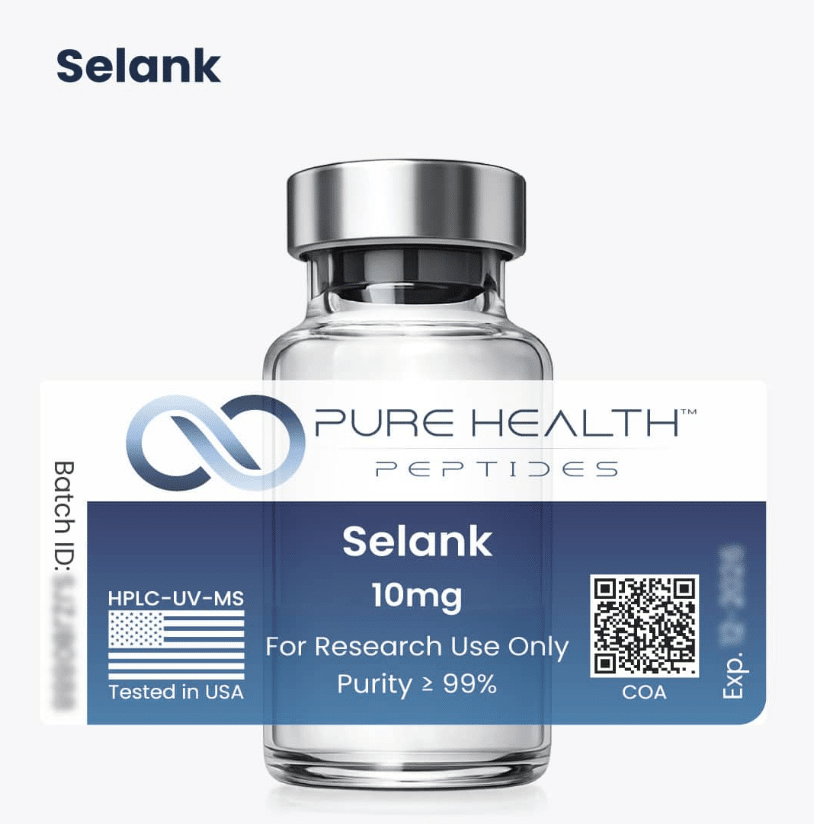
DISCLAIMER FOR RESEARCH USE ONLY. The content provided in this article is for educational and informational purposes only and is based on published scientific literature. The compounds discussed, including Selank, are not approved by the FDA for human or veterinary use. They are strictly intended for laboratory research and in vitro experimentation. Pure Health Peptides […]
Semax Research Peptide and Cognitive Signaling Pathways
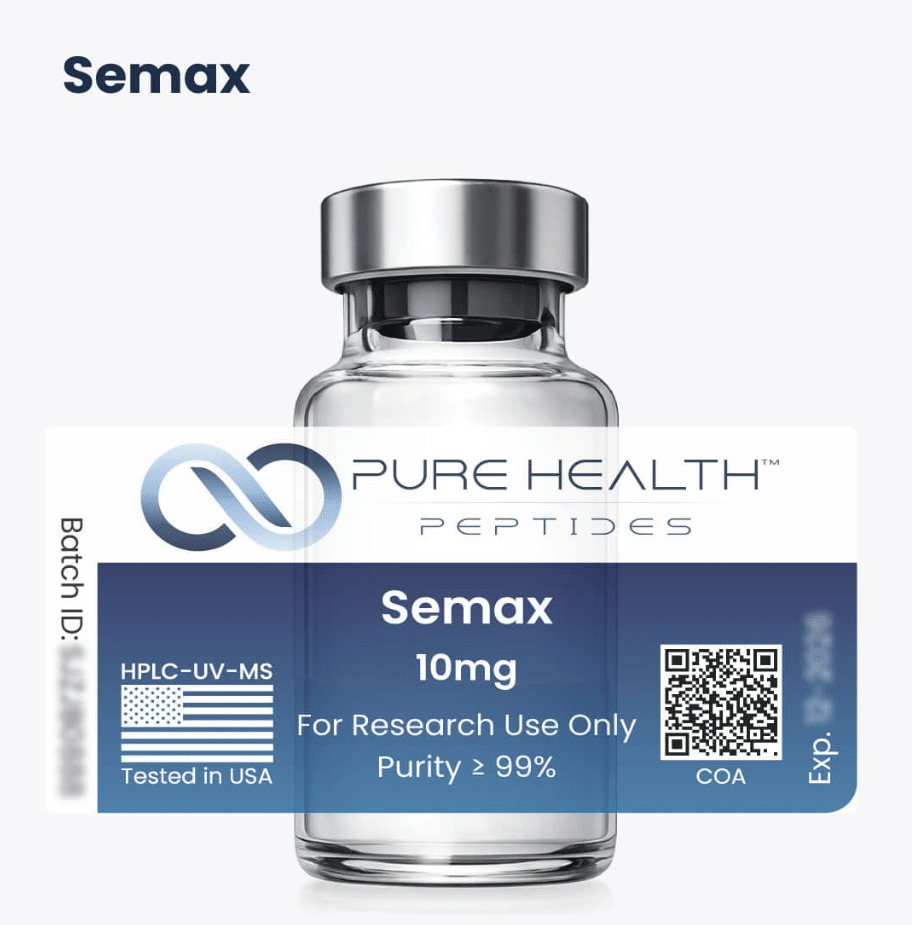
DISCLAIMER FOR RESEARCH USE ONLY. The content provided in this article is for educational and informational purposes only and is based on published scientific literature. The compounds and mechanisms discussed are not approved by the FDA for human or veterinary use and are intended strictly for laboratory research and in vitro experimentation. Research Snapshot From […]
Neuropeptides and Cognitive Signaling Pathways: A Research Overview
DISCLAIMER FOR RESEARCH USE ONLY. The content provided in this article is for educational and informational purposes only and is based on published scientific literature. The compounds discussed, including Semax, Selank, Dihexa, and P-21, are not approved by the FDA for human or veterinary use. They are strictly intended for laboratory research and in vitro […]
Liquid vs Capsule Delivery in Energy-Focused Peptide Research
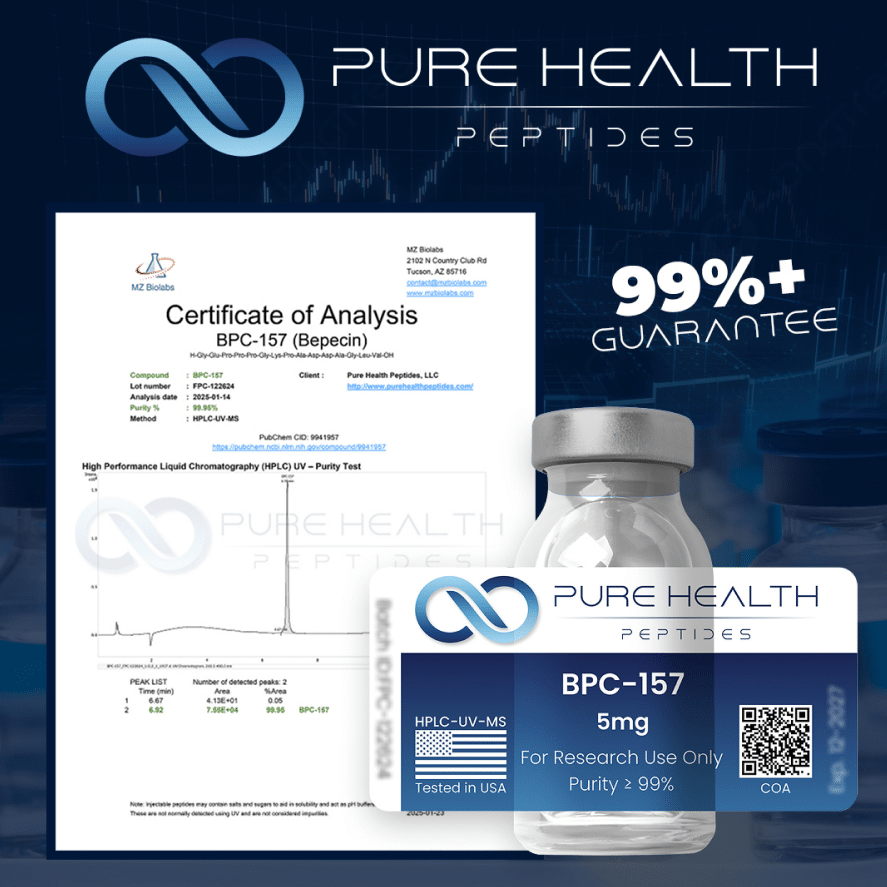
DISCLAIMER FOR RESEARCH USE ONLY. The content provided in this article is for educational and informational purposes only and is based on published scientific literature. The compounds and delivery formats discussed are not approved by the FDA for human or veterinary use. They are strictly intended for laboratory research and in vitro experimentation. Pure Health […]
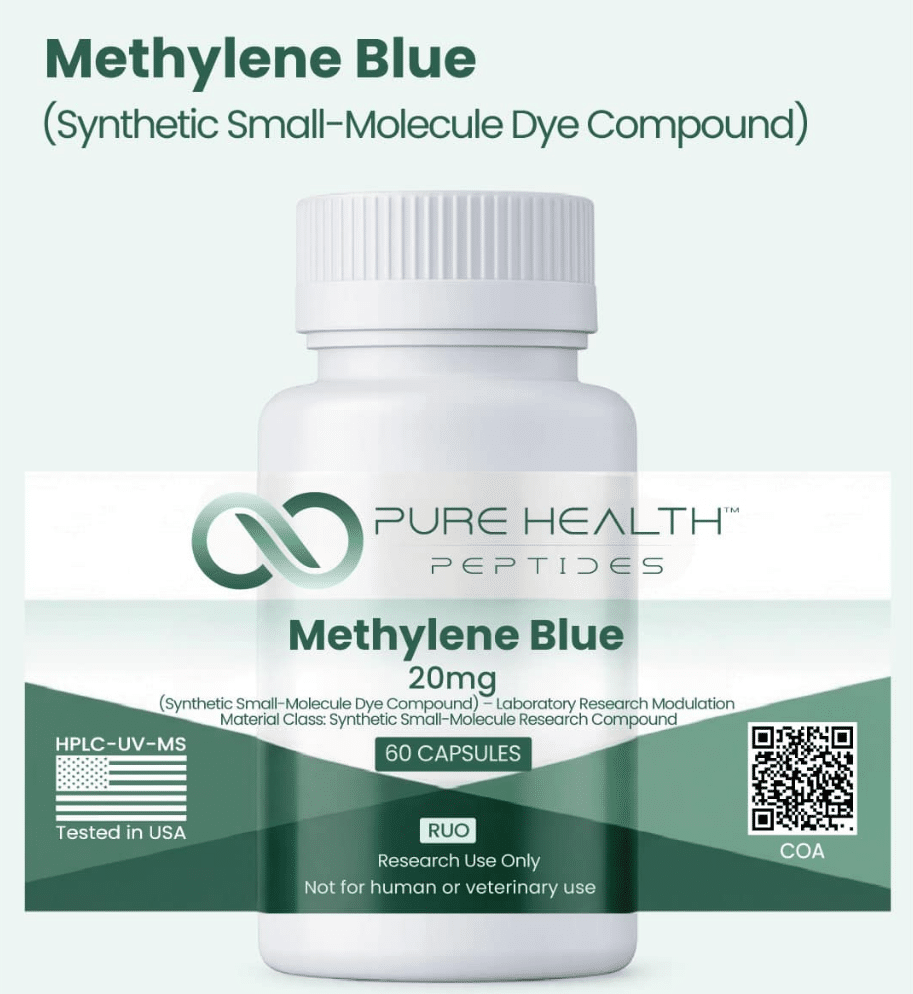
Methylene Blue in Peptide Research: Mitochondrial and Cellular Energy Pathways
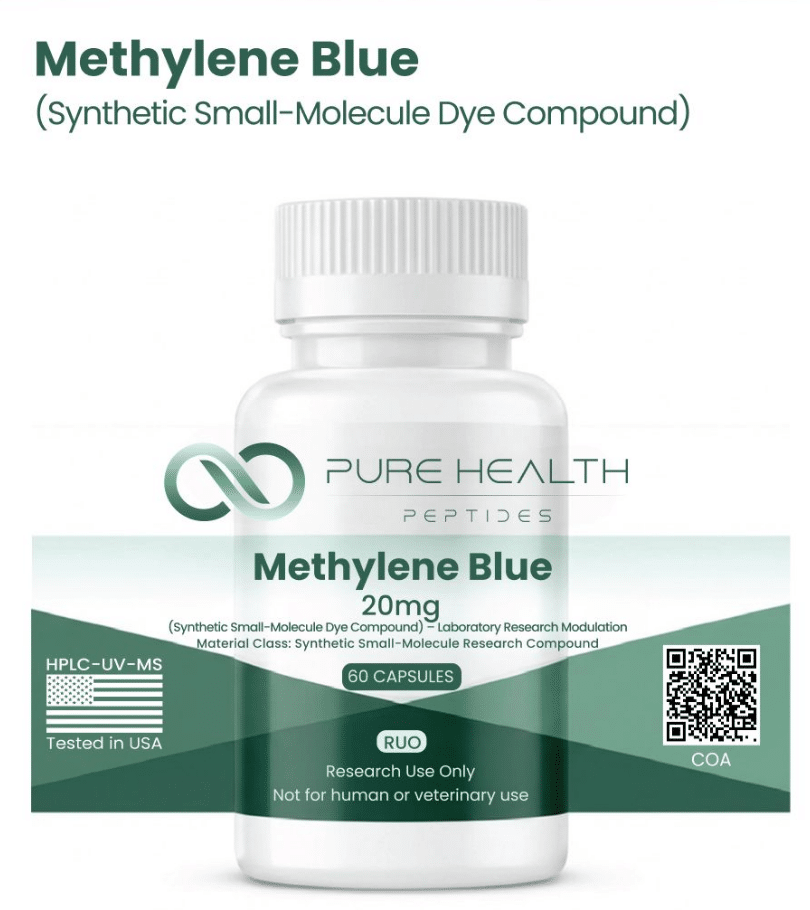
DISCLAIMER FOR RESEARCH USE ONLY. The content provided in this article is for educational and informational purposes only and is based on published scientific literature. The compounds discussed, including Methylene Blue, are not approved by the FDA for human or veterinary use. They are strictly intended for laboratory research and in vitro experimentation. Pure Health […]
NAD+ Research Compound: Cellular Energy, Redox Balance, and Aging Pathways
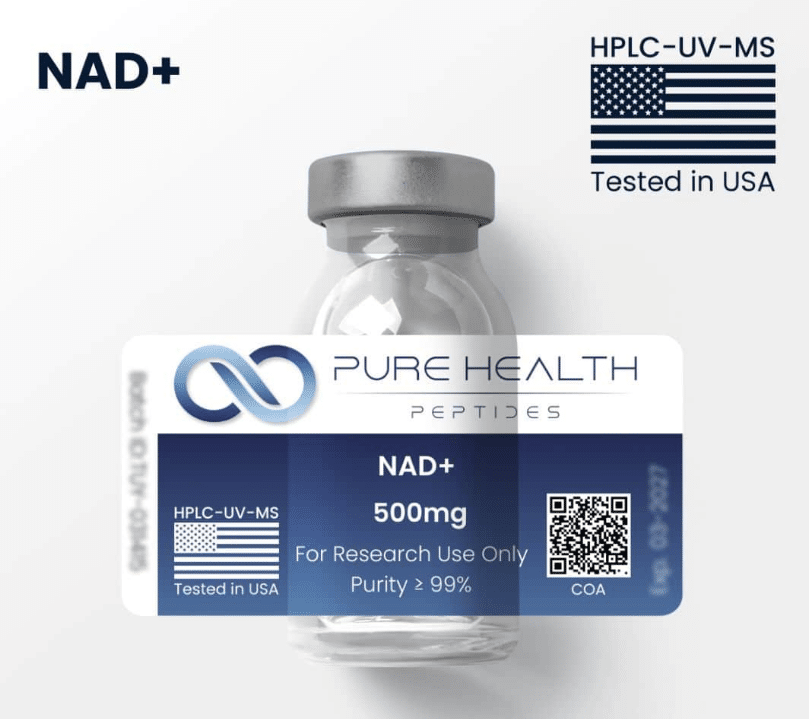
DISCLAIMER FOR RESEARCH USE ONLY. The content provided in this article is for educational and informational purposes only and is based on published scientific literature. The compounds discussed, including NAD+ precursors, are not approved by the FDA for human or veterinary use. They are strictly intended for laboratory research and in vitro experimentation. Pure Health […]
LC216 Research Peptide: Cellular Energy Utilization and Metabolic Signaling

DISCLAIMER FOR RESEARCH USE ONLY. The content provided in this article is for educational and informational purposes only and is based on published scientific literature. The compounds discussed, including LC216 components, are not approved by the FDA for human or veterinary use. They are strictly intended for laboratory research and in vitro experimentation. Pure Health […]
LC120 Research Peptide and Its Role in Mitochondrial Energy Pathways
DISCLAIMER FOR RESEARCH USE ONLY. The content provided in this article is for educational and informational purposes only and is based on published scientific literature. The compounds discussed, including LC120 components, are not approved by the FDA for human or veterinary use. They are strictly intended for laboratory research and in vitro experimentation. Pure Health […]
Mitochondria, ATP, and Cellular Energy Decline: A Research Perspective
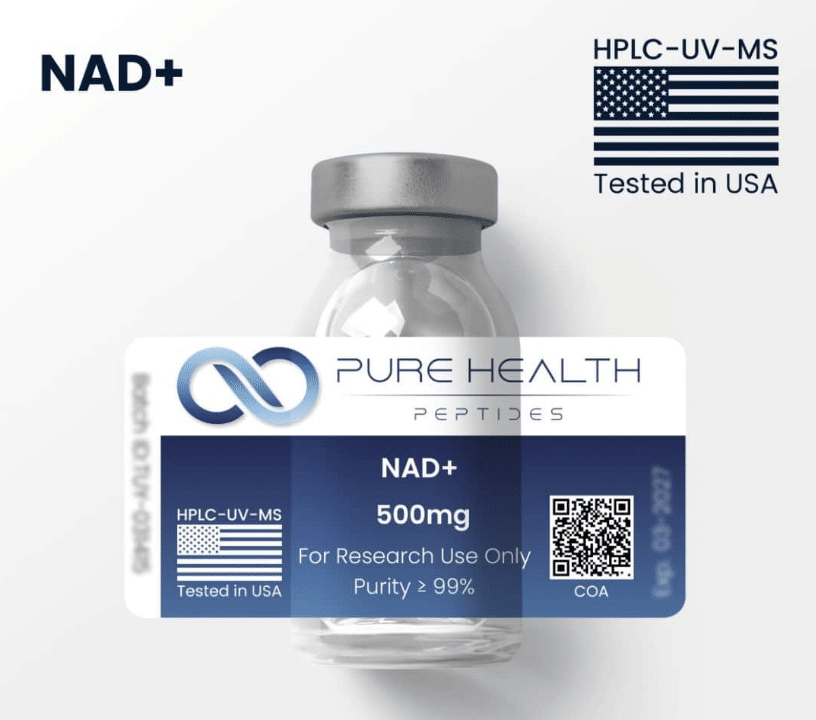
DISCLAIMER FOR RESEARCH USE ONLY. The content provided in this article is for educational and informational purposes only and is based on published scientific literature. The compounds discussed, including NAD+, Methylene Blue, and others, are not approved by the FDA for human or veterinary use. They are strictly intended for laboratory research and in vitro […]